October 26, 2026
Selecting an engagement ring is a meaningful decision that brings together personal style, budget, and the significance of a relationship. From choosing a center diamond to selecting a setting and metal, each detail influences the ring's overall appearance. Understanding these elements helps shoppers compare options and focus on the qualities that matter most to them.
Jewelers offer a range of designs, from traditional solitaire settings to more detailed styles featuring multiple stones. Some couples prefer understated designs that complement everyday clothing, while others gravitate toward distinctive settings that make the center diamond stand out. Exploring different options helps clarify these preferences before making a purchase.
For shoppers considering diamond engagement rings, the process involves more than selecting a particular carat weight. Diamond characteristics, setting design, metal choice, and available budget all contribute to the decision. Reviewing these factors together provides a practical starting point for finding a ring that reflects the wearer's taste and the meaning behind the proposal.
Comparing Diamond Carat Weight and Overall Appearance
Carat weight is one of the most recognizable diamond characteristics, but it does not describe every aspect of a stone's appearance. Carat measures weight rather than the diamond's exact visible dimensions. Two diamonds with the same carat weight can look different because of their shape, proportions, and cut.
According to The Knot, engagement rings in the United States average approximately 1.7 total carats, including the center stone and any accent diamonds. Roughly half fall within the one- to two-carat range, while about one-third exceed two carats. These figures provide context for current preferences, but they do not establish a required size for an engagement ring. The Knot's engagement ring research also explains that carat weight is only one consideration when comparing rings.
Budget is another important factor because increasing a diamond's weight can affect its price. Some shoppers prioritize a larger center stone, while others prefer to distribute the diamonds across a halo or three-stone design. Neither approach is universally better. The right balance depends on the desired appearance, budget, and overall setting.
When comparing diamond engagement rings, looking at different carat weights in person helps shoppers understand how proportions and setting styles influence appearance. A knowledgeable jeweler can explain the distinctions between available stones and help shoppers evaluate options according to their priorities.
Exploring Diamond Shapes and Setting Styles
A diamond's shape contributes significantly to a ring's visual character. Round diamonds offer a familiar, classic appearance, while emerald cuts feature rectangular outlines and step-cut facets. Oval, princess, cushion, pear, and other shapes provide additional choices for people seeking different proportions and design details.
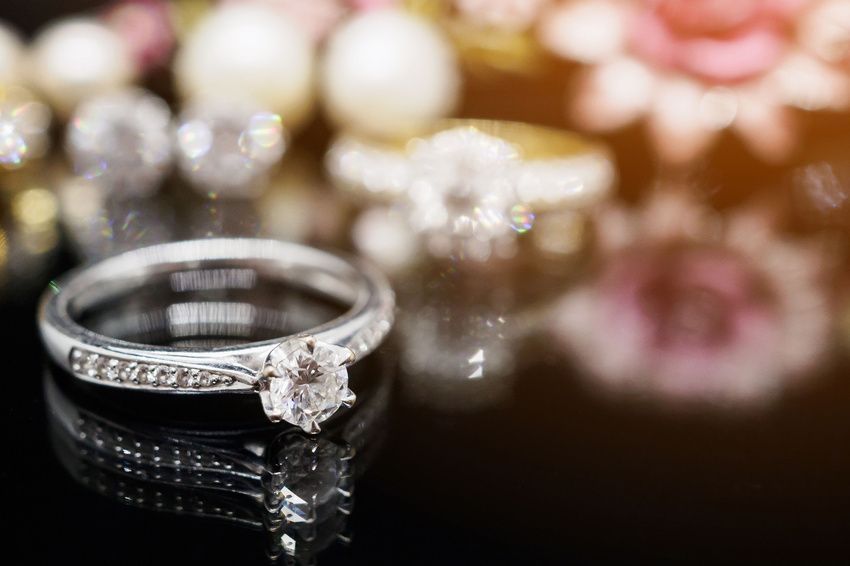
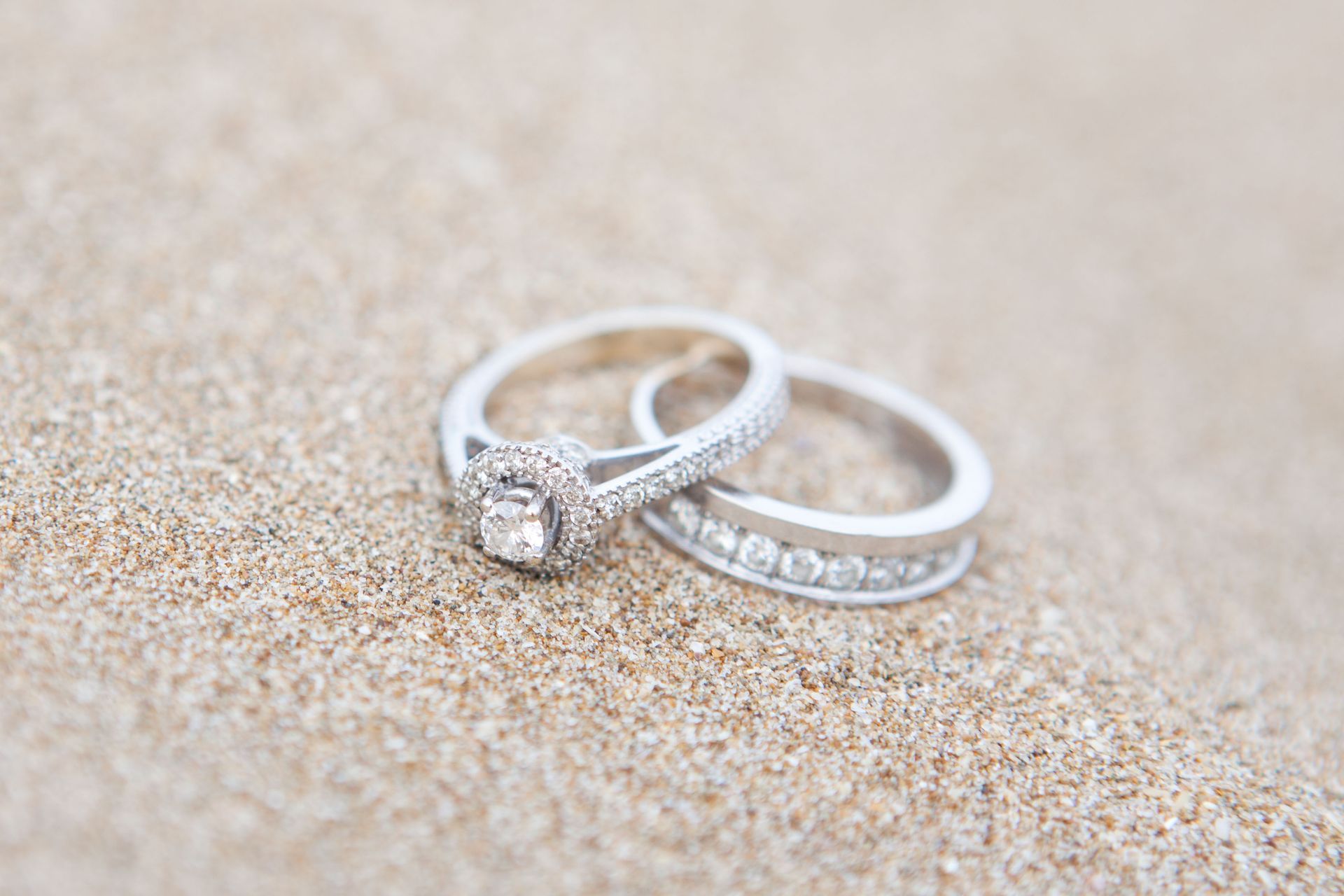
Setting style determines how the center stone is presented and how additional diamonds contribute to the overall design. Solitaire rings place the focus on one center stone, creating a simple and enduring look. Halo settings surround the center diamond with smaller stones, adding detail around its outline. Three-stone rings incorporate additional diamonds beside the center stone, creating a balanced arrangement with several focal points.
Vintage-inspired settings offer another direction for shoppers who appreciate decorative details and traditional design influences. Contemporary styles can provide a different appearance through their shapes, metal choices, and stone arrangements. Comparing these approaches helps narrow the selection without relying solely on current trends.
The setting also affects the ring's proportions and everyday practicality. Band width, stone height, and the placement of accent diamonds influence how the piece looks and feels when worn. Considering these details alongside the diamond's shape helps shoppers evaluate the complete design rather than judging the center stone alone.
Evaluating Natural and Lab-Grown Diamonds
Natural and lab-grown diamonds are two options available to engagement ring shoppers. Both are diamonds, but they differ in origin. Natural diamonds form through geological processes, while lab-grown diamonds are created using technology that replicates conditions involved in diamond formation.
The choice between these options depends on individual preferences, budget, and the importance placed on origin. Some shoppers specifically want a natural diamond, while others prefer to explore lab-grown options when comparing size, specifications, and price. Neither choice defines the meaning of an engagement ring.
J.P. Haase Jewelers' website describes a selection of both natural and lab-grown diamonds, including GCAL-certified lab-grown options. Certification and documentation provide information about a diamond's characteristics and help shoppers understand what they are considering. When reviewing a stone, it is useful to discuss its documented specifications and how those details relate to the intended design.
The distinction between natural and lab-grown diamonds is also relevant when comparing prices. Cost depends on multiple factors, including carat weight, cut, color, clarity, and whether the diamond is natural or lab-grown. Reviewing stones with comparable specifications helps shoppers make a more informed comparison rather than focusing on weight alone.
Selecting a Metal That Complements the Design
The ring's metal influences its color, overall appearance, and relationship with the diamond. Platinum, white gold, yellow gold, and rose gold offer distinct looks. White metals create a bright, neutral appearance, while yellow gold provides a warm tone. Rose gold introduces a pinkish hue that can give the ring a different visual character.
Metal selection is a personal decision, but it should also account for the wearer's existing jewelry and daily preferences. Someone who regularly wears yellow gold might appreciate a matching engagement ring, while someone with mixed-metal jewelry could prefer a more neutral option. There is no single combination that suits everyone.
The setting's design should work with the selected metal and the center diamond. A delicate band, for example, creates a different overall impression from a wider band or one decorated with accent stones. Examining the ring as a complete piece helps shoppers understand how the metal, setting, and diamond work together.
Comfort and maintenance also deserve attention. Ring fit, setting structure, and the way the piece will be worn all matter when selecting a design intended for frequent use. A jeweler can explain the characteristics of available metals and settings, allowing shoppers to consider both appearance and practical needs.
Considering Custom Design and Personal Details
Ready-made rings provide a range of established designs, while custom jewelry offers another way to approach a meaningful purchase. Custom design allows shoppers to discuss specific preferences involving the diamond shape, setting, metal, and overall appearance. This option can be useful for people who have a clear concept in mind or want a ring that combines details from several styles.
J.P. Haase Jewelers describes an in-house custom design process that uses computer-aided design (CAD) technology. Digital renderings help customers review a proposed design before the piece is crafted. The process provides an opportunity to discuss design details and refine the concept according to personal preferences.
Custom work can involve repurposing heirloom gemstones or incorporating details inspired by existing jewelry. For couples who value family history, these choices connect a new ring with a meaningful personal story. Others prefer an original design based on their favorite diamond shape and setting.
Whether choosing a ready-made piece or exploring custom work, discussing budget, metal, stone specifications, and design preferences helps clarify priorities. These conversations allow shoppers to review available options and make informed decisions about their engagement ring.
Planning for Value, Financing, and Ongoing Care
Choosing diamond engagement rings involves balancing personal style with a realistic budget. Consider the center diamond, setting, metal, and accent stones when comparing designs. Evaluating the complete ring helps shoppers prioritize the features that matter most without overspending on one element.
Financing can also make diamond engagement rings more accessible for shoppers who prefer to spread payments over time. J.P. Haase Jewelers lists 12-month financing options and a 30-day return policy. Its website also features complimentary cleaning, polishing, and jewelry checks, along with small repairs completed while customers wait.
When comparing diamond engagement rings, consider ongoing care and available services alongside appearance and price. Contact J.P. Haase Jewelers in Milwaukee to explore styles, compare diamond options, or discuss custom designs.